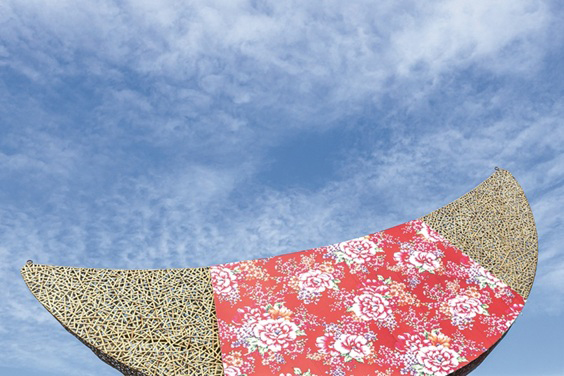
Traditional architecture abounds, not only in the country’s magnificent temples and official residences, but also in the many old structures that have been revitalized for use as community centers, cafes, stores and other public spaces. In fact, many aspects of traditional Chinese arts, crafts and customs are better preserved in Taiwan than other parts of East Asia. For example, Taiwan is one of the few places still using traditional Chinese characters, and calligraphy competitions are always popular events.
The tenets of Buddhism, Confucianism and Taoism continue to be well represented in everything from temple celebrations and literature to the visual and performing arts. In addition, visitors can learn about the heritage of Taiwan Hakka- and Taiwan Taigispeaking communities, as well as the 16 officially recognized Indigenous peoples. Taiwan shares its traditional riches throughout the world via programs supported by the cultural divisions of representative offices overseas.
Taiwan’s larger cities are thriving metropolises that offer 24/7 entertainment options. There are highly regarded dance companies and a vibrant music scene, as befits the world capital of Mandopop, or Mandarin pop music. The recently opened Taipei Music Center and Kaohsiung Music Center have rapidly become major performance venues. The local television and film sector has seen a resurgence in recent years, while the country’s booming cultural and creative industries are evident in the designer stores, markets and exhibitions that grow in number every year.
From literature and folk festivals to lively night markets, Taiwan’s past gives vitality and depth to its present.
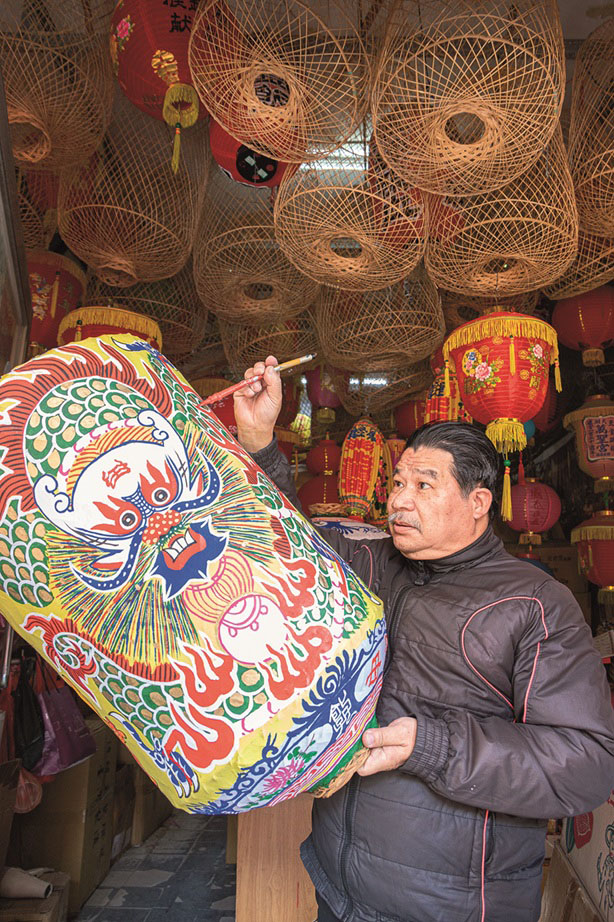
An artisan adds the final touches to a traditional lantern. (Chen Mei-ling)